Is Walking Good for Rheumatoid Arthritis in the Knee?
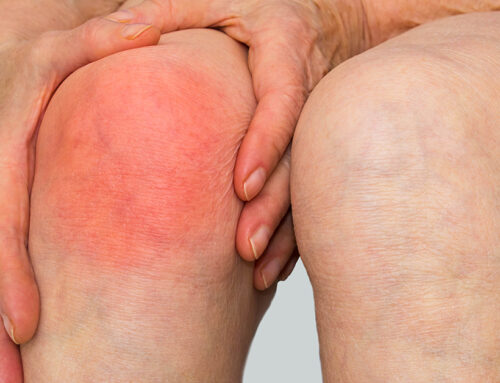
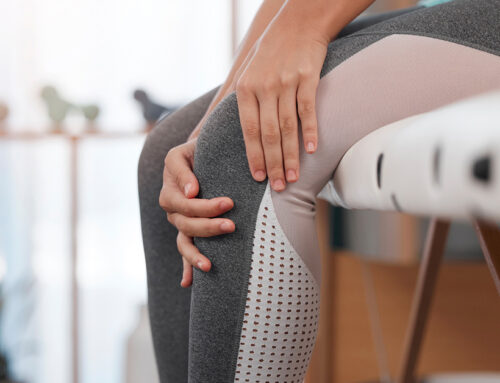
Rheumatoid arthritis (RA) is a chronic inflammatory disorder that primarily affects joints, causing pain, swelling, and potential loss of function. Among the joints commonly affected are the knees, which can significantly impact mobility and quality of life. For those suffering from rheumatoid arthritis in the knee, managing pain and maintaining joint function are paramount concerns. One question that frequently arises is whether walking is beneficial or detrimental for individuals with this condition. Let’s explore the impact of walking on rheumatoid arthritis in the knee.
The Benefits of Walking
- Joint Lubrication and Nutrition: Walking helps in the production and circulation of synovial fluid, which lubricates the joints and provides essential nutrients to the cartilage. This can help reduce stiffness and improve overall joint health.
- Muscle Strengthening: Walking engages various muscle groups, including those surrounding the knee joint. Strengthening these muscles can provide better support and stability to the knee, potentially reducing the strain on the joint and alleviating pain.
- Weight Management: Maintaining a healthy weight is crucial for managing rheumatoid arthritis. Walking is an effective, low-impact form of exercise that can aid in weight management, thereby reducing the stress on knee joints.
- Improved Mood and Well-being: Regular physical activity, such as walking, releases endorphins, which are natural mood lifters. Managing rheumatoid arthritis can be mentally taxing, and the psychological benefits of walking can improve overall well-being.
Potential Risks and Considerations
- Flare-ups and Pain: During active flare-ups of rheumatoid arthritis, the inflammation and pain can be severe. Walking during these periods might exacerbate the symptoms. It’s important to listen to your body and consult with a healthcare provider about the appropriate level of activity during flare-ups.
- Joint Damage: In cases where there is significant joint damage or deformity, walking might put additional stress on the knee and lead to further deterioration. Customized exercise plans that include low-impact activities might be more suitable.
- Proper Footwear and Support: Wearing the right shoes is crucial. Proper footwear can provide the necessary support and cushioning to minimize impact on the knees. Orthotic inserts might also be recommended to ensure proper alignment and reduce strain on the knee joints.
Tips for Walking with Rheumatoid Arthritis in the Knee
- Start Slowly: If you are new to walking or have been inactive for a while, start with short, manageable distances and gradually increase your walking time and intensity.
- Choose the Right Terrain: Opt for flat, even surfaces to walk on. Avoid rough, uneven terrains that can increase the risk of falls and injuries.
- Warm Up and Cool Down: Incorporate gentle stretching before and after your walks to prepare your muscles and joints for activity and to reduce the risk of stiffness and injury.
- Listen to Your Body: Pay attention to how your body responds to walking. If you experience increased pain or swelling, it might be necessary to adjust your activity level or consult with your healthcare provider for advice.
- Incorporate Rest Days: Give your body time to recover by incorporating rest days into your routine. This can help prevent overuse injuries and manage fatigue.
Walking can be beneficial for individuals with rheumatoid arthritis in the knee, provided it is done with caution and proper preparation. The benefits of walking, including improved joint lubrication, muscle strengthening, weight management, and enhanced mood, can significantly contribute to managing the symptoms of rheumatoid arthritis. However, it is essential to balance activity with rest and to seek professional advice tailored to your specific condition. With the right approach, walking can be a valuable component of a comprehensive rheumatoid arthritis management plan.