
How to Heal Bursitis in the Ankle
Ankle bursitis is an inflammation of the bursae, small fluid-filled sacs that cushion and reduce friction between bones, tendons, and muscles around the ankle joint. This condition can cause significant pain and limit mobility, making daily activities challenging. Healing bursitis in the ankle requires a combination of rest, treatment, and preventive measures. In this blog, we will explore effective strategies for healing ankle bursitis and preventing its recurrence.
Understanding Ankle Bursitis
Causes of Ankle Bursitis
Bursitis in the ankle can result from several factors, including:
Repetitive Motion: Activities like running, jumping, or dancing that involve repetitive ankle movements.
Injury: Trauma such as a sprain or direct impact to the ankle.
Improper Footwear: Shoes that do not provide adequate support or place excessive pressure on the ankle.
Infections: Septic bursitis caused by an infection within the bursa.
Arthritis: Conditions like rheumatoid arthritis and gout that cause inflammation in the joints.
Symptoms of Ankle Bursitis
Common symptoms of ankle bursitis include:
Pain: Sharp or aching pain around the affected bursa.
Swelling: Visible swelling around the ankle joint.
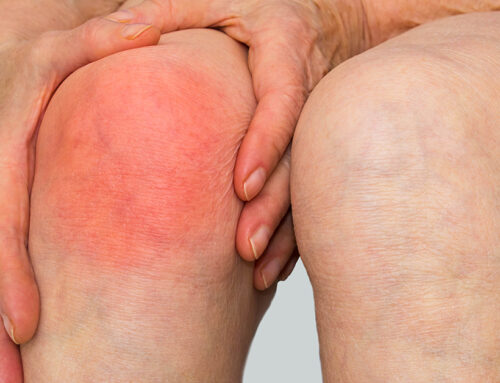
Redness and Warmth: The skin over the inflamed bursa may appear red and feel warm to the touch.
Stiffness: Reduced range of motion in the ankle.
Tenderness: The area around the bursa may be tender to touch.
Treatment Options for Ankle Bursitis
Rest and Activity Modification
One of the first steps in healing ankle bursitis is to rest the affected ankle. Avoid activities that aggravate the condition and allow the inflammation to subside. This may include taking a break from sports or other high-impact activities.
Ice Therapy
Applying ice packs to the affected area can help reduce swelling and numb the pain. Use ice for 15-20 minutes several times a day, especially during the first few days after symptoms appear.
Compression and Elevation
Wearing a compression bandage can help reduce swelling and provide support to the ankle. Elevating the affected ankle above heart level also helps reduce swelling and promotes healing.
Medications
Over-the-counter nonsteroidal anti-inflammatory drugs (NSAIDs) such as ibuprofen or naproxen can help reduce pain and inflammation. In some cases, your doctor may prescribe stronger medications or corticosteroid injections to alleviate symptoms.
Physical Therapy
A physical therapist can design an exercise program to strengthen the muscles around the ankle, improve flexibility, and reduce the risk of recurrence. Physical therapy may include stretching, strengthening exercises, and techniques to improve range of motion.
Proper Footwear
Wearing supportive shoes that provide cushioning and proper alignment can prevent further irritation of the bursa. Avoid high heels and poorly fitting shoes that place undue pressure on the ankle.
Aspiration
In some cases, a doctor may need to drain excess fluid from the inflamed bursa using a needle. This procedure, known as aspiration, can provide relief from pain and swelling.
Treating Underlying Conditions
If bursitis is associated with an underlying condition like arthritis or an infection, treating that condition is crucial for managing bursitis. This may include medications to control arthritis or antibiotics to treat an infection.
Preventing Ankle Bursitis
Wear Proper Footwear
Choose shoes that provide adequate support and cushioning. Avoid high heels and shoes that do not fit properly.
Gradual Increase in Activity
When starting a new exercise routine, gradually increase the intensity and duration to avoid overuse injuries. This is especially important for activities that put a lot of stress on the ankles.
Warm-Up and Stretch
Always warm up before engaging in physical activity and stretch afterward to maintain flexibility and reduce the risk of injury.
Maintain a Healthy Weight
Excess weight can place additional stress on your ankle joints, increasing the risk of bursitis and other joint problems.
Listen to Your Body
Pay attention to any pain or discomfort in your ankles and take steps to address it promptly. Rest and modify activities as needed to prevent further irritation.
Healing bursitis in the ankle involves a combination of rest, treatment, and preventive measures. By following these strategies, you can reduce pain, promote healing, and prevent the recurrence of bursitis. If you experience persistent or severe symptoms, consult with a healthcare professional to determine the best course of action. With proper care and attention, you can overcome ankle bursitis and maintain an active, healthy lifestyle.