
What does osteoarthritis knee pain feel like?
Osteoarthritis is the most common form of arthritis, affecting millions of people worldwide. It is a degenerative joint disease that primarily affects the cartilage, the smooth tissue that covers the ends of bones in a joint. When osteoarthritis occurs in the knee, it can cause a variety of symptoms that can significantly impact daily life. Understanding what osteoarthritis knee pain feels like can help individuals identify the condition early and seek appropriate treatment.
Gradual Onset of Pain
Osteoarthritis knee pain typically develops gradually over time. In the early stages, the pain may be mild and intermittent. It often starts as a slight discomfort or aching sensation in the knee, especially after physical activity or prolonged periods of standing. This initial pain is usually manageable and may not significantly interfere with daily activities.
Pain During Activity
As osteoarthritis progresses, the pain becomes more pronounced, particularly during activities that put stress on the knee joint. Common activities that exacerbate the pain include walking, climbing stairs, kneeling, or even getting up from a seated position. The pain is often described as a deep, aching sensation that can range from mild to severe, depending on the extent of the cartilage damage.
Morning Stiffness and Stiffness After Rest
One of the hallmark symptoms of osteoarthritis in the knee is stiffness, particularly in the morning or after periods of inactivity. This morning stiffness usually lasts for about 30 minutes and improves with movement as the day progresses. However, stiffness can also occur after sitting or resting for a while, making it difficult to get moving again.
Swelling and Tenderness
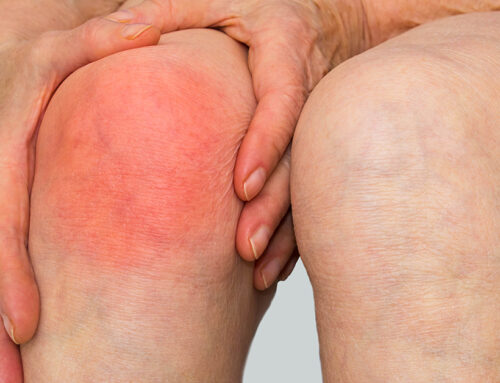
Swelling around the knee joint is another common symptom of osteoarthritis. This swelling occurs due to inflammation and the buildup of excess fluid in the joint. The knee may also feel tender to the touch, especially along the joint line. Swelling and tenderness can vary in intensity and may be more pronounced after physical activity.
Grinding Sensation and Crepitus
Many people with osteoarthritis in the knee experience a grinding or grating sensation when moving the joint. This sensation, known as crepitus, occurs due to the roughening of the cartilage surfaces and the bones rubbing against each other. It is often accompanied by cracking or popping sounds when bending or straightening the knee.
Decreased Range of Motion
As osteoarthritis progresses, it can lead to a decrease in the knee's range of motion. Simple movements such as bending or straightening the knee can become challenging and painful. This decreased flexibility can make it difficult to perform everyday activities, such as walking, climbing stairs, or even sitting down and standing up.
Pain at Rest and Night Pain
In advanced stages of osteoarthritis, knee pain can become more persistent and may occur even at rest. Some individuals experience pain that wakes them up at night, making it difficult to get a good night's sleep. This constant pain can significantly impact the quality of life and make it challenging to manage daily activities.
Instability and Weakness
As the cartilage deteriorates and the knee joint becomes more damaged, it can lead to a feeling of instability or the knee "giving way." This instability is often accompanied by muscle weakness around the knee, further contributing to difficulty with movement and a higher risk of falls.
Osteoarthritis knee pain can vary greatly from person to person, but it generally involves a combination of aching pain, stiffness, swelling, and decreased range of motion. Recognizing these symptoms early and seeking appropriate medical advice is crucial for managing the condition effectively. While there is no cure for osteoarthritis, various treatment options, including physical therapy, medications, lifestyle changes, and in some cases, surgery, can help alleviate pain and improve joint function. If you experience persistent knee pain, consult a healthcare professional to determine the best course of action for managing your symptoms and maintaining your quality of life.