What Happens If Peroneal Subluxation Is Untreated?
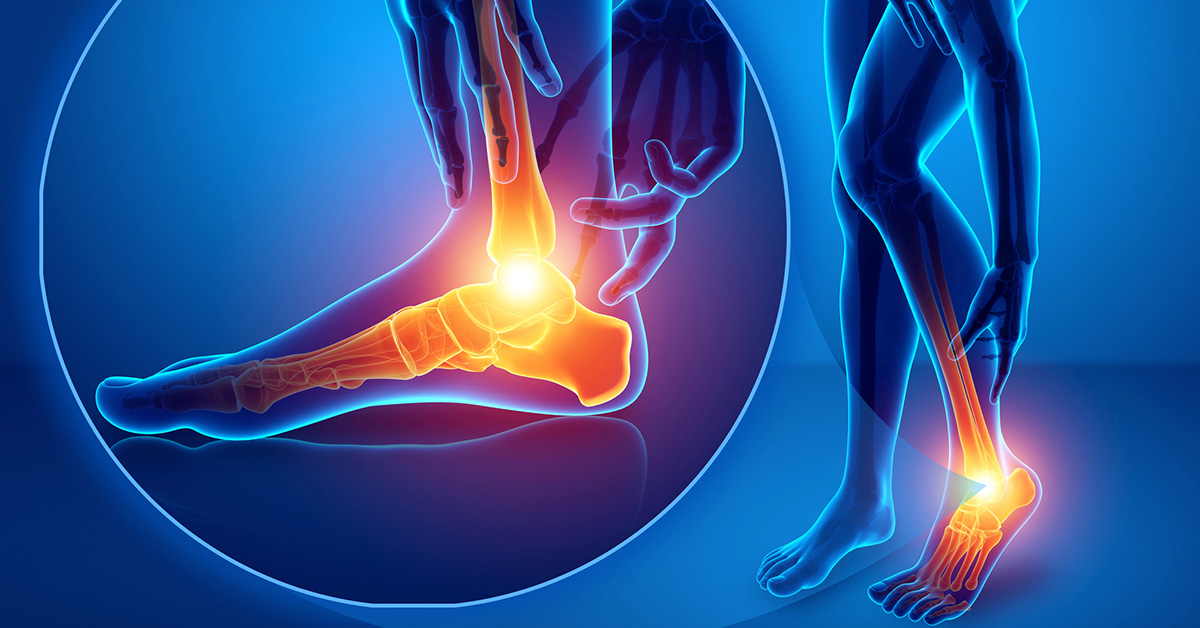
Peroneal subluxation is a condition in which the peroneal tendons—two important tendons that run along the outside of the ankle—slip out of their normal position behind the fibula (the outer ankle bone). This condition often results from a sudden ankle injury, such as a twist or sprain, but it can also develop over time from chronic overuse, weak connective tissues, or anatomical variations in the ankle structure. While the initial discomfort may seem manageable, leaving peroneal subluxation untreated can lead to long-term complications and worsening symptoms.
One of the most common consequences of untreated peroneal subluxation is chronic ankle instability. As the tendons continue to slip in and out of their groove, the surrounding ligaments and tissues become increasingly irritated and stretched. Over time, the ankle can feel weak or unstable, especially during walking, running, or pivoting movements. This instability not only affects performance in sports and daily activities but also increases the risk of repeated ankle sprains and further injury.
Pain and inflammation are also likely to become persistent if the condition is not addressed. Each time the tendons sublux (or move out of place), they can cause a snapping sensation and irritation of the surrounding tissues. The area behind the ankle bone may become swollen, tender, or even develop scar tissue, which can worsen tendon friction and discomfort.
In some cases, the tendons themselves may become damaged from repeated trauma. Chronic subluxation can lead to tendon fraying, partial tears, or even complete rupture over time. This type of damage is much more difficult to treat and may require more extensive surgery compared to early intervention. Once the peroneal tendons are significantly compromised, patients may experience limited ankle strength and difficulty pushing off the foot or maintaining balance.
Another long-term risk is degenerative change. Ongoing irritation and instability can affect not only the tendons but also the joints and cartilage in the ankle. Over time, this can lead to arthritis or other degenerative conditions that further impair mobility and function.
It’s also important to consider the impact on everyday life. Untreated peroneal subluxation can make routine activities like walking, standing for long periods, climbing stairs, or exercising increasingly difficult. For athletes and active individuals, performance may decline, and training may become frustrating or even impossible due to recurring pain or weakness.
Early diagnosis and treatment are key to preventing these complications. Conservative measures such as rest, bracing, and physical therapy can be effective in mild cases. For more persistent or severe subluxations, surgical options are available to stabilize the tendons and restore normal ankle mechanics. With proper care, most patients recover well and return to their usual activities without long-term issues.
In summary, if left untreated, peroneal subluxation can lead to chronic pain, instability, tendon damage, and a decline in quality of life. If you're experiencing a snapping sensation, pain on the outside of the ankle, or repeated ankle injuries, it's important to seek evaluation from a foot and ankle specialist. Timely treatment can make all the difference in preserving ankle health and preventing more serious complications down the road.